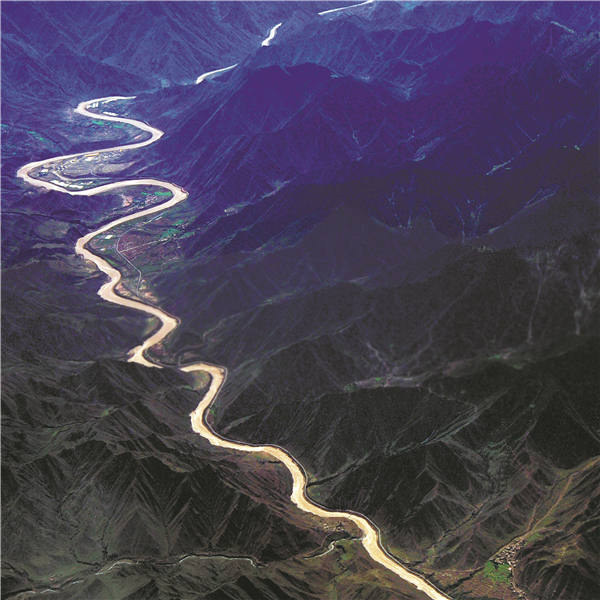
Three Parallel Rivers of Yunnan Protected Areas
Introduction
The Three Parallel Rivers of Yunnan Protected Areas, a UNESCO World Heritage Site, is a natural marvel located in the mountainous northwestern region of Yunnan province, China. This unique area encompasses 15 protected regions organized into eight geographical clusters. It is distinguished by the parallel flow of three major rivers: the Jinsha River (upper Yangtze River), the Lancang River, and the Nujiang River, all originating from the Qinghai-Tibet Plateau. These rivers run roughly parallel from north to south for over 170 kilometers, separated by steep gorges and glacial peaks towering more than 6,000 meters high. The shortest distance between the Jinsha and Lancang rivers is 66 kilometers, while the Lancang and Nujiang rivers are less than 19 kilometers apart. Designated as a state-level scenic attraction in 1988 and inscribed on the World Heritage List in 2003, the site is celebrated for its dramatic landscapes, exceptional biodiversity, and significant cultural heritage.
Geography
The geography of this areas is characterized by its diverse and dramatic landscapes. Situated in the upper reaches of the three great rivers, the area is marked by deep-incised river gorges, steep valleys, and towering snow-clad mountains. The rivers create a unique hydrological system, flowing parallel yet remaining distinct from each other. This parallel configuration is rare and contributes to the area's exceptional natural beauty. The region's topography is further enriched by various landforms, including alpine karst landscapes, glaciers, and reddish sandstone formations known as danxia. Notable peaks such as the Meili, Baima, and Haba Snow Mountains define the skyline, with the Mingyongqia Glacier descending 2,700 meters from Kawagebo Peak (6,740 meters). The area's geological foundation is a result of tectonic activity, with rock substrates ranging from igneous to sedimentary types. The collision of tectonic plates and the climatic influences of a monsoon climate have resulted in the evolution of diverse ecological systems.
Biodiversity
This areas is considered an epicenter of biodiversity in China and one of the richest temperate regions globally. The area serves as a sanctuary for a wide variety of plant and animal species, many of which are endemic or critically endangered. The site hosts more than 20 percent of China's higher plant species and 25 percent of its animal species. The diverse climates, ranging from subtropical to frigid zones, provide habitats for species like the Yunnan snub-nosed monkey, Mishmi takin, and Sclater's monal. Unique flora includes the Meconopsis pseudovenusta, Saussurea medusa Maxim., and big tree rhododendron. The region serves as a vital corridor for species migration and preservation, showcasing a remarkable array of biomes, from alpine meadows to dense forests.
Cultural Significance
The region is inhabited by 16 ethnic groups, including Tibetan, Lisu, Bai, Pumi, and Derung communities. These groups have coexisted harmoniously despite differences in languages, cultures, and traditions, contributing to the area's cultural diversity. The indigenous peoples have developed unique ways of living in harmony with their natural surroundings, maintaining traditional practices and customs that reflect their deep connection to the land. The cultural landscape is enriched by the presence of sacred natural sites, such as Kawagebo Peak, which holds spiritual significance for local communities. The area's cultural heritage adds a layer of depth to its overall significance, making it a living tapestry of human and natural history.
Conservation Efforts
Conservation efforts in the Three Parallel Rivers of Yunnan Protected Areas focus on preserving its unique ecosystems, diverse species, and cultural heritage. The site is protected under several national and international designations, including its status as a World Heritage Site. Conservation strategies involve the management of protected areas to prevent habitat destruction and ensure the survival of endangered species. Efforts are also made to promote sustainable development in local communities, balancing ecological preservation with economic growth. Scientific research and monitoring programs are conducted to better understand the region's biodiversity and ecological processes.
Tourism
Tourism in the Three Parallel Rivers of Yunnan Protected Areas is centered around its breathtaking natural landscapes and rich cultural experiences. The area attracts visitors seeking adventure, nature exploration, and cultural immersion. Sustainable tourism practices are promoted to minimize environmental impact and support local communities.
Attractions
The region offers a plethora of attractions, including stunning mountain vistas, pristine river gorges, and diverse wildlife. Popular sites include the snow-capped peaks of the Meili, Baima, and Haba Snow Mountains, the enchanting Mingyongqia Glacier, and the picturesque alpine karst landscapes. Visitors may also explore cultural sites and engage with the traditions of the local ethnic groups.
Visitor Information
Travelers to the Three Parallel Rivers of Yunnan Protected Areas are advised to plan their visits between late spring and autumn when the weather is most favorable. Various accommodation options are available, ranging from eco-friendly lodges to traditional guesthouses. Visitors are encouraged to respect local customs and adhere to conservation guidelines to ensure the preservation of this unique natural and cultural heritage.








